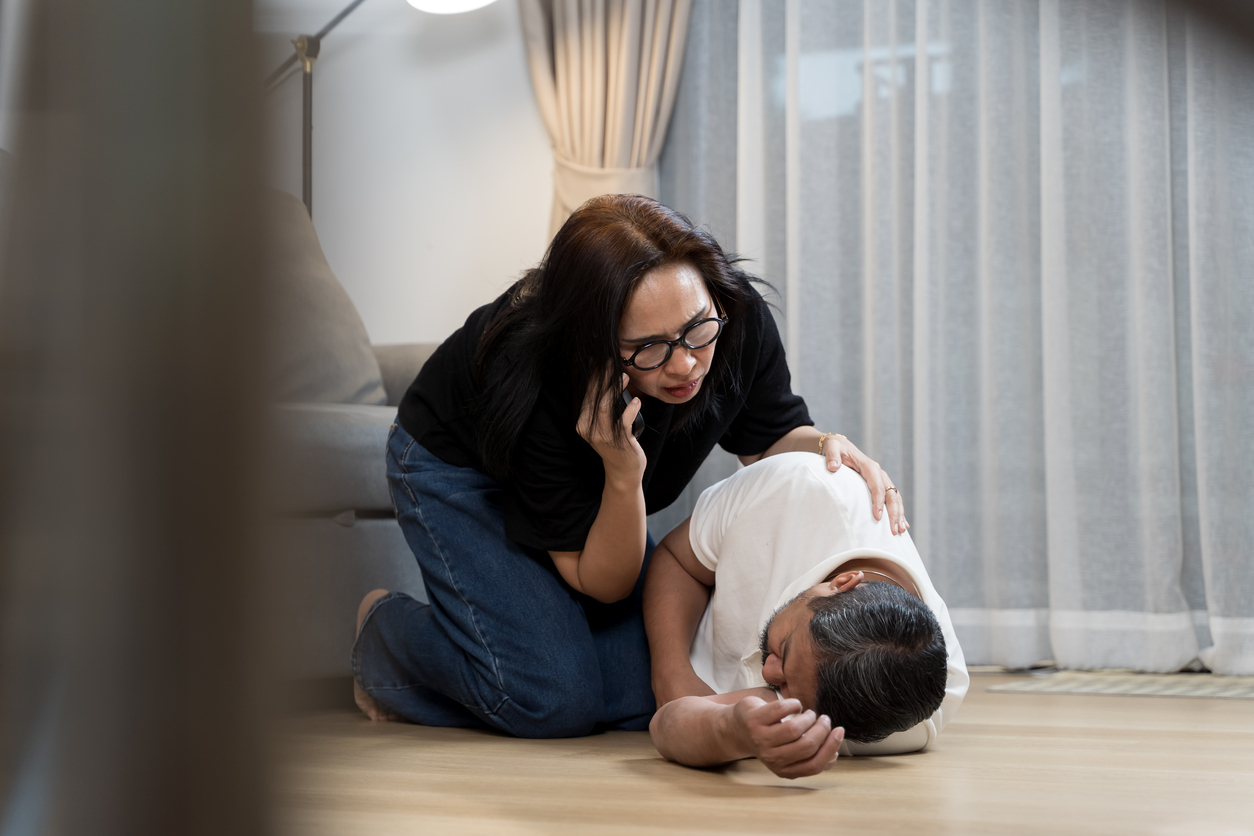
Falls Prevention Week: A Fresh Season, A Critical Reminder
The first day of autumn is more than just a turn of the calendar. It also marks the beginning of National Falls Prevention Awareness Week. Just as fall signals shorter days, cooler weather, and seasonal change, it also highlights a far more serious kind of “fall” that affects millions of patients each year
For physicians, it’s more than a reminder, it’s a chance to focus on one of the most pressing, yet underrecognized public health challenges, preventing falls among older adults and those with conditions such as neuropathy.
The Scope of the Problem
Falls are not rare accidents, but rather a leading cause of injury and death in adults over 65. According to the CDC, more than one in four older adults experiences a fall each year. That translates into about 3 million emergency department visits, nearly a million hospitalizations, and roughly 40,000 deaths.
The consequences go well beyond immediate injury. Falls can trigger a cascade of complications including decreased mobility, loss of independence, and a reduced quality of life. They are also the number one cause of traumatic brain injuries in this age group.
In addition to the physical and emotional toll, the medical cost of falls is astronomical. Falls cost the U.S. healthcare system about $50 billion annually, a figure that is projected to rise based on the aging population. Nearly 73 million older adults are projected to experience over 50 million falls by 2030, with around 12 million resulting in injury.
The numbers highlight the urgency for the medical profession to consistently educate patients on prevention. Unfortunately, the stats don’t always tell the story behind the daily reality of falls. Many patients, especially those in an older demographic, won’t disclose falls due to embarrassment or fear.
Neuropathy: A Hidden Driver of Fall Risk
Among the many factors that increase fall risk, peripheral neuropathy deserves greater attention. Neuropathy, whether stemming from diabetes, chemotherapy, or idiopathic causes, impairs the sensory feedback patients rely on for balance and stability.
Loss of sensation in the feet and legs disrupts proprioception, the body’s ability to recognize its position in space. As a result, patients can often misjudge uneven surfaces, fail to notice trip hazards, or struggle with stairs. Additionally, common neuropathic symptoms such as burning pain, numbness, or tingling, may cause the risk of instability to become even more significant.
What’s worrying about neuropathy is that people often miss the link between nerve problems and a higher risk of falling. Many patients see numbness as an inconvenience, not realizing it can put their safety at risk. Too often, the first real warning sign of neuropathy is when someone experiences a fall.
That’s why Falls Prevention Week is a timely reminder that neuropathy should not be treated as a stand-alone condition, but as a critical factor in fall prevention strategies.
Beyond the Checklist: Tailoring Prevention
Traditional recommendations like grab bars in bathrooms, clutter-free floors, stairway handrails, and better lighting are all valuable, but they only scratch the surface for patients with neuropathy. Their needs are more complex and call for individualized approaches.
Physicians can make a difference by:
Promoting proper footwear: Shoes that provide stability and promote traction can reduce slips and improve gait control.
Encouraging exercise and balance training: Physical therapy or strength-training programs can help people stay steady on their feet and feel less afraid of falling.
Identifying and treating deficiencies: Addressing issues like vitamin deficiency can improve muscle strength and bone health.
Asking about daily challenges: Open-ended questions about stairs, outdoor walking, or even simple household tasks can expose risks.
Reviewing medications: Some medications can compound fall risk due to risk of dizziness or drowsiness.
The key is moving beyond a generic checklist towards more individualized patient interventions that address both medical and lifestyle factors.
Education as a First Line of Defense
For many patients, the biggest obstacle to preventing falls isn’t their surroundings or mobility, it’s awareness. People with neuropathy may not realize that numbness, tingling, or balance issues raise their risk of falling. Others may brush off their symptoms or stay quiet about falls because they feel embarrassed.
Physicians can help by explaining the connection between neuropathy and balance. Talking openly about falls helps patients feel more comfortable and encourages them to take steps to stay safe.
Education also makes patients more likely to share when they’ve had a near-fall or an actual fall. When patients understand that almost falling is an important warning sign, they’re more likely to tell their care team.
Why Autumn is the Perfect Reminder
The seasonal metaphor of autumn is a hard one to miss. As leaves begin to fall, the risk of patient falls comes sharper into focus. Seasons may be inevitable, but patient falls are not unavoidable.
Falls Prevention Week is a strong reminder to re-engage patients in these discussions. It’s a chance to reinforce safety, independence, and health.
Physicians can integrate fall risk assessment into routine care by asking the tough questions that go beyond the physical exam. They possess the opportunity to address the unique vulnerabilities of patients with neuropathy.
Looking Ahead
As the population continues to age, the burden of falls will only continue to grow. But that trajectory is not fixed. Physicians can play a critical role in shaping outcomes through early diagnosis of neuropathy, individualized prevention strategies, and patient education. They have the ability to bridge the gap between awareness and action.
Patients are not always going to recognize the health risks they face, but often look to physicians for guidance. A patients’ understanding of neuropathy’s role in balance and mobility can help them to maintain independence, avoid injury, and live more confidently.
It’s natural to think about falling leaves in the autumn, but in the case of medicine, it’s a reminder that falls don’t have to be a natural part of aging. With attention, awareness, and proactive care, falls can be prevented, and patients can be made to feel safer and more confident in their daily activities.
About Neurogenx®
Neurogenx® is industry leader in innovative neurogenic solutions, Neurogenx has been partnering with physicians globally for over fifteen years. Our goal is to improve the quality of life of patients suffering from the painful symptoms of Neuropathy and other chronic nerve conditions through our patented and advanced Neurogenx 4000Pro with NervePro 2.0 electromedical protocol. Request more information about Neurogenx today!